For an exporter, customs is part of the commercial plan. Classification affects the landed cost, documentation affects clearance, and the way goods leave the United States can affect whether duties are recoverable. These questions deserve attention before the shipment, not only when something goes wrong.
Two tools. Two different jobs.
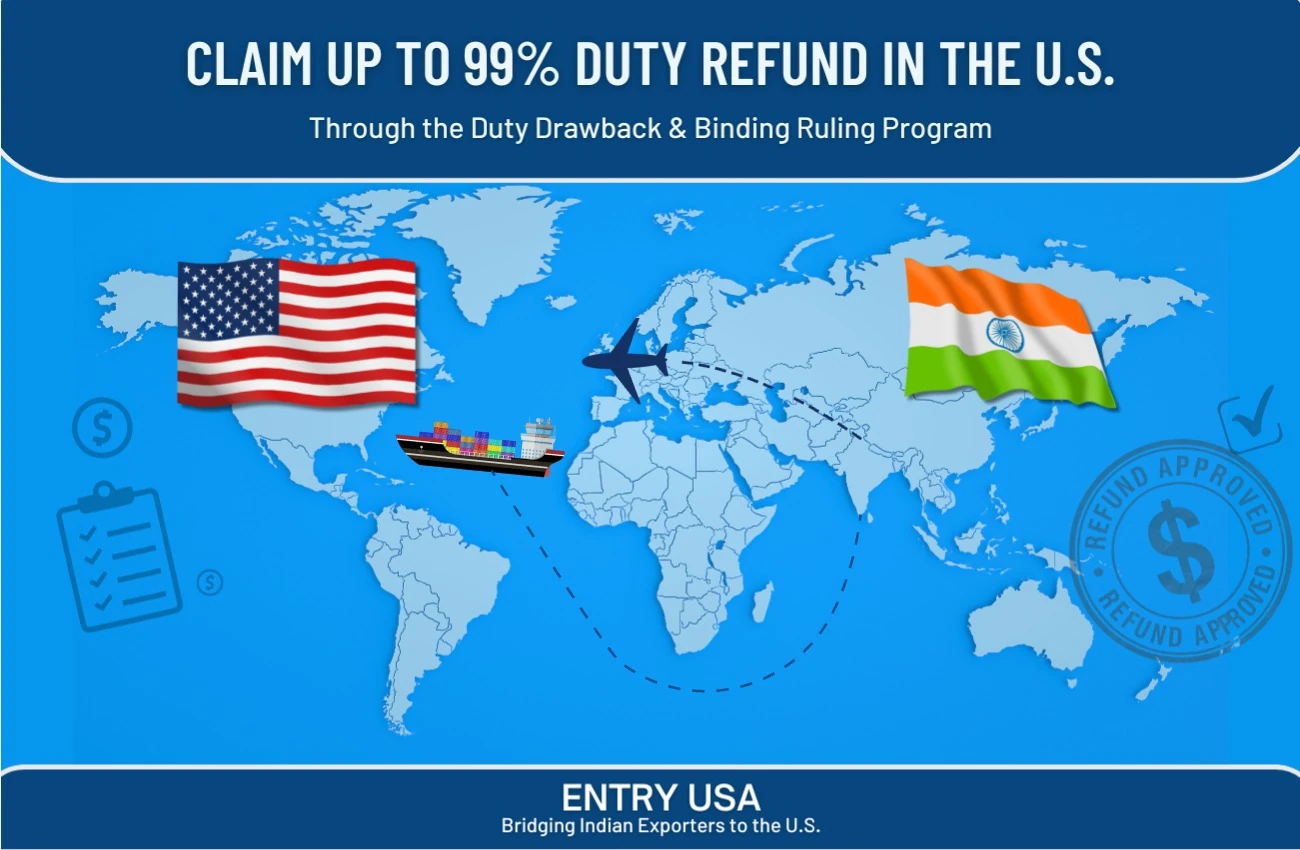
- Duty drawback concerns potential refunds of eligible duties, taxes and fees associated with qualifying imported goods that are later exported or destroyed.
- An advance ruling addresses how CBP will treat a proposed import transaction, such as the classification of a described product.
Neither is an automatic benefit. The product, transaction, records and applicable rules determine what is available. A ruling on tariff classification should not be read as a promise that a duty rate will never change.
Start with the records you already have.
An eligibility review begins with a traceable history: import entries, duties paid, product descriptions, inventory records, sales, exports and any relevant destruction records. If the story cannot be reconciled across those documents, a potential refund becomes harder to substantiate.
- Identify the importer of record and the party with rights to the claim.
- Connect the imported merchandise to the relevant export or destruction records.
- Check which duties and charges are eligible under the applicable provision.
- Confirm filing, notice and recordkeeping requirements with a drawback specialist.
Make classification a deliberate decision.
Two products that look similar in a sales catalogue can have different customs treatment. Materials, function, construction and use may all affect classification. Provide a broker or ruling specialist with a complete product description, rather than relying only on a short invoice label.
For a proposed transaction, a binding ruling can help establish a clearer position before importation. The facts submitted must match the goods and transaction. Changes in the product or the legal framework can require a fresh review.
Do not confuse the surrounding programmes.
A foreign-trade zone, a bonded warehouse, a drawback claim and a binding ruling each have their own purpose and rules. Routing a shipment differently or changing a label does not establish a different country of origin. Origin must follow the applicable rules and the actual manufacturing facts.
Turn the review into an operating process.
- Keep commercial, shipping and customs descriptions consistent.
- Give the broker product information before the goods leave the factory.
- Track returned, unsold and re-exported inventory as carefully as sold stock.
- Review changes in products, suppliers and routes before repeating an old customs approach.
Where EntryOpen fits.
We help connect the commercial plan with the practical work: company setup, local warehousing, fulfillment, customs coordination and the specialist conversations needed for the shipment. Bring the product details and the intended movement of goods. The next step is to establish which questions apply to your business.
CBP: Binding Ruling Program CBP: Electronic ruling requests CBP: Duty drawback information