A product is sold, packed and sent abroad. Then the delivery address is incomplete, the customer cannot be reached, or the parcel is refused. The order now has a second journey, a support problem and a cost that may exceed the margin you expected to earn.
The cost is bigger than a second label.
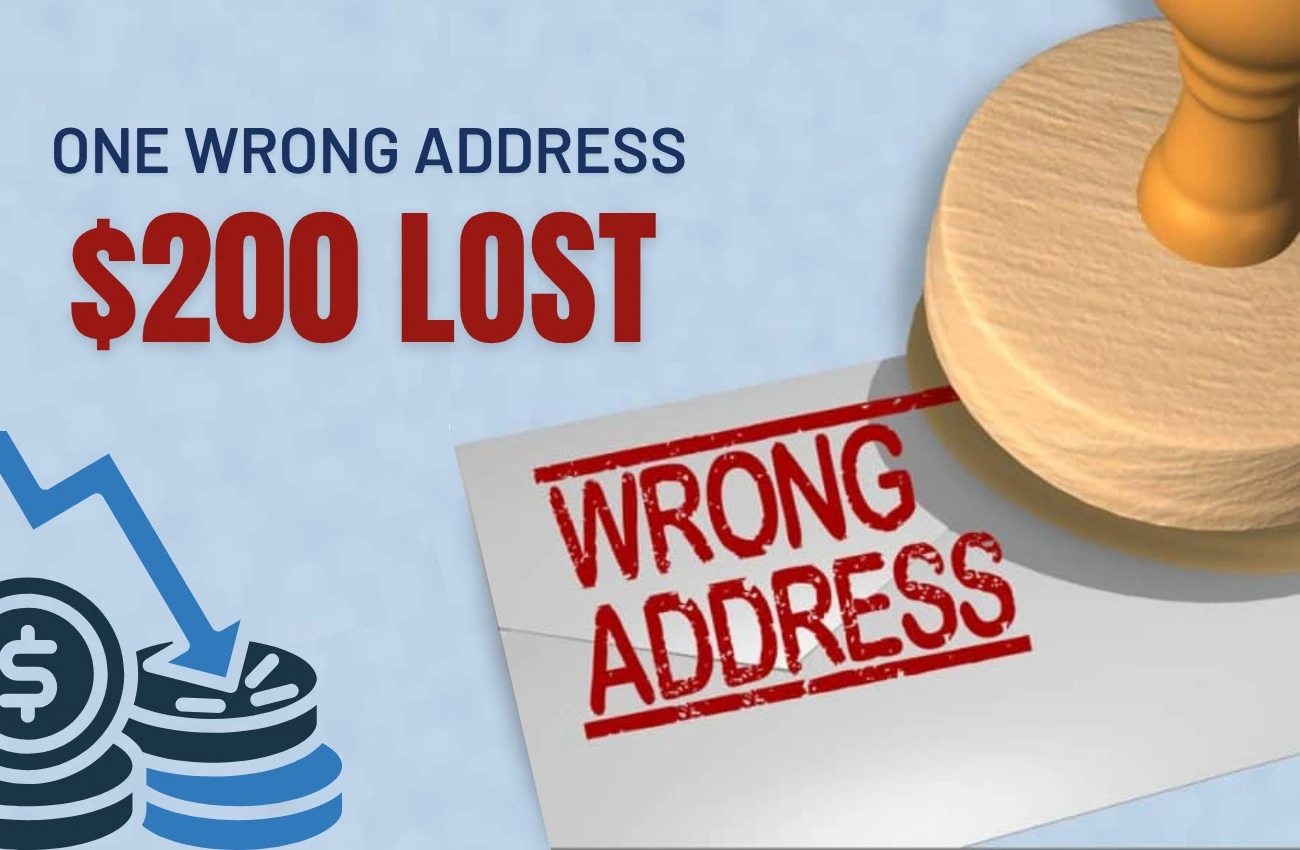
A failed delivery can tie up inventory, generate customer-service work and introduce carrier charges. Returning an item internationally may be uneconomic. The original EntryOpen article used a $200 lost-order example to make the point: the return route belongs in the business model.
Build a local recovery path.
A U.S. fulfillment arrangement can provide a domestic destination for stock and eligible returns. The handling instructions matter: inspect, photograph, restock, repackage, quarantine or dispose, as agreed. Not every returned item is ready to sell again.
- Validate addresses and contact details before dispatch.
- Define who follows up when delivery fails.
- Agree how a returned item is identified and inspected.
- Decide what can be restocked and who authorizes exceptions.
- Compare the full cost of domestic fulfillment with direct international delivery.
Make the exception part of the process.
Talk through returns before choosing a fulfillment arrangement. Share the product, packaging, order volume, selling channels and the kinds of problems you already see. A workable process should explain both how a normal order leaves and what happens when an order comes back.